
Care Guides · Aquatics
Betta Fish Care Guide: How to Keep a Siamese Fighting Fish Properly
Bettas are beautiful, intelligent, and deeply misunderstood. They don't belong in bowls or vases. Here's how to keep one the right way — and why it matters.
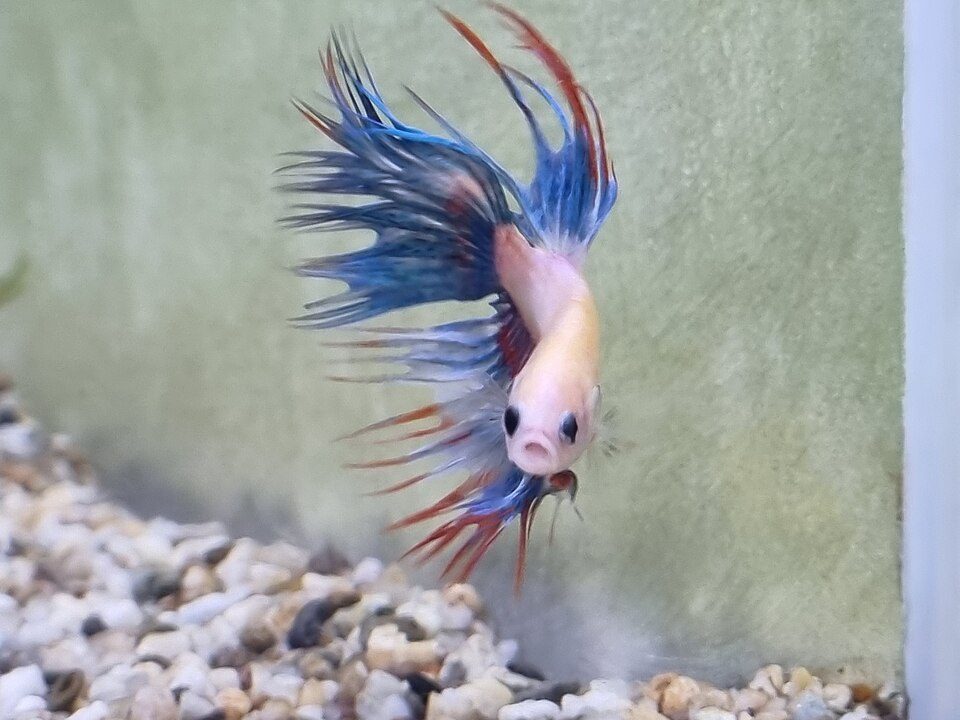
Photo: Betta (Siamese fighting fish), Tails & Scales
Betta fish are one of the most widely sold fish in the world — and one of the most widely mistreated. The image of a betta in a small bowl or a tiny desktop "tank" is so common that many people assume it's acceptable. It isn't.
Bettas are intelligent, curious fish with complex behavioural needs. Kept properly, they're among the most rewarding fish you can own. Kept in a bowl, they survive — briefly and miserably. This guide is about keeping them properly.
Understanding Bettas
Betta splendens — the Siamese fighting fish — is native to the shallow, warm, slow-moving waters of Southeast Asia: rice paddies, floodplains, and ponds in Thailand, Cambodia, and surrounding countries. These habitats are warm, often heavily planted, and low in dissolved oxygen — which is why bettas have evolved a labyrinth organ that allows them to breathe atmospheric air directly.
The "bettas can live in small containers because they live in puddles" myth is persistent and wrong. Wild bettas inhabit rice paddies that may be shallow but are vast in area. They have territories of several square metres. The "puddle" story is a misunderstanding of their habitat that has been used to justify inadequate husbandry for decades.
Tank Size
Minimum: 40 litres for a single betta Recommended: 60–80 litres
A larger tank is more stable, easier to maintain, and gives your betta room to exhibit natural behaviour — exploring, building bubble nests, patrolling territory. Bettas in adequately sized tanks are visibly more active and display more natural behaviour than those in small containers.
Tank shape: bettas prefer long, shallow tanks over tall, narrow ones. They're surface-oriented fish that need easy access to the surface to breathe. A tank that's 60cm long and 30cm tall is better than one that's 30cm long and 60cm tall.
Lid: essential. Bettas are jumpers. A gap of even a few centimetres is enough for a betta to escape. Ensure your lid fits securely.
Water Parameters
Bettas are tropical fish from warm, soft, slightly acidic water.
- Temperature: 24–28°C (26°C is ideal)
- pH: 6.5–7.5
- Hardness: soft to moderately hard (2–15 dGH)
- Ammonia: 0 ppm
- Nitrite: 0 ppm
- Nitrate: under 20 ppm
Cape Town's municipal water is naturally soft and slightly acidic — close to ideal for bettas. Always dechlorinate tap water before use. Seachem Prime is the best dechlorinator available.
Temperature stability is critical. Bettas are highly susceptible to temperature fluctuations. A drop of even 2–3°C can trigger illness. Use a reliable heater with a thermostat and verify the temperature with a separate thermometer.
Filtration
Bettas need clean water but hate strong flow. Their long, flowing fins make it difficult to swim against a current, and strong flow causes chronic stress.
Best options:
- Sponge filter — gentle flow, excellent biological filtration, easy to maintain. The best choice for a betta tank.
- Hang-on-back filter with a baffle — reduce the outflow by attaching a sponge or bottle to the outlet to diffuse the current.
- Small canister filter with the spray bar positioned to create minimal surface disturbance.
Avoid powerheads and any filter that creates strong directional flow.
Cycling
Like all fish tanks, a betta tank must be cycled before adding fish. This establishes the beneficial bacteria that process toxic ammonia into less harmful compounds.
Cycling takes 4–6 weeks. Do not add your betta to an uncycled tank. The ammonia spike in an uncycled tank will damage your betta's gills and immune system, leading to illness and death.
See our First Planted Tank guide for a detailed explanation of the cycling process.
Plants and Decor
Bettas thrive in planted tanks. Plants provide cover, reduce stress, maintain water quality, and create a naturalistic environment that encourages natural behaviour.
Excellent plants for betta tanks:
- Java fern — attaches to hardscape, very easy, no CO₂ needed
- Anubias — slow-growing, bulletproof, great for attaching to driftwood
- Amazon sword — beautiful background plant, easy to grow
- Cryptocoryne — excellent midground plant, very adaptable
- Java moss — provides cover and spawning sites
- Floating plants (Salvinia, frogbit) — bettas love floating plants; they build bubble nests under them and rest at the surface
Hardscape: driftwood and smooth rocks add visual interest and hiding spots. Avoid sharp decorations that can tear betta fins.
Hides: bettas appreciate caves and sheltered areas where they can retreat. A piece of driftwood with a hollow, a coconut shell cave, or a ceramic hide all work well.
Lighting
Bettas don't have specific lighting requirements beyond a normal day/night cycle. A standard planted tank light on a 8–10 hour timer is appropriate.
Avoid very bright, intense lighting — it can stress bettas. If your betta is spending a lot of time hiding, check whether the lighting is too intense.
Feeding
Bettas are carnivores. In the wild they eat insects, insect larvae, and small crustaceans. Their upturned mouths are adapted for surface feeding.
Staple foods:
- High-quality betta pellets — the most convenient staple. Look for pellets with a high protein content (40%+) and fish or insect meal as the first ingredient. Avoid pellets with wheat or corn as primary ingredients.
- Frozen bloodworms — highly palatable, good protein source. Feed 2–3 times per week.
- Frozen brine shrimp — good variety food, lower protein than bloodworms.
- Frozen daphnia — excellent for digestive health; acts as a natural laxative.
Live foods (occasional):
- Live bloodworms
- Live daphnia
- Live brine shrimp
- Small live insects (fruit flies, small crickets)
Feeding frequency: once or twice daily, 3–5 pellets per feeding (or equivalent). Bettas have small stomachs — overfeeding causes bloating and water quality problems.
Fasting: fast your betta one day per week. This helps prevent constipation and bloating, which are common in bettas fed exclusively dry food.
The pea myth: you may have read that feeding a betta a cooked, peeled pea cures constipation. There's no scientific basis for this — bettas are carnivores and cannot digest plant matter. Daphnia is a much better option for digestive health.
Tankmates
Male bettas cannot be kept with other male bettas — they will fight, often to the death. This is not aggression that can be trained away; it's hardwired behaviour.
Can you keep a male betta with other fish?
Yes, with careful selection. The key is choosing fish that don't resemble other bettas (no long fins, no bright colours) and that won't nip fins.
Good tankmates for a betta in a 60+ litre tank:
- Corydoras catfish — peaceful, bottom-dwelling, ignored by bettas
- Otocinclus — fast, armoured, generally left alone
- Ember tetras or other small, fast tetras — usually fine; watch for fin nipping
- Harlequin rasboras — peaceful, fast, good companions
- Nerite snails — excellent algae cleaners; bettas may occasionally flare at them but rarely attack
- Mystery snails — larger than nerites, generally ignored
Avoid:
- Other bettas (male or female, unless in a species tank with careful management)
- Guppies and other long-finned fish — bettas will attack them
- Tiger barbs and other known fin nippers
- Cichlids
- Any fish large enough to eat a betta
Female bettas: females can sometimes be kept in groups (a "sorority") in a large, heavily planted tank (100+ litres). This is an advanced setup that requires careful monitoring and a willingness to separate individuals if aggression becomes a problem.
Betta Varieties
The variety of betta morphs and tail types available today is extraordinary. Some of the most common:
Tail types:
- Veiltail — the most common; long, flowing, asymmetric tail
- Halfmoon — tail spreads to 180°; stunning but prone to fin damage
- Crowntail — spiky, dramatic fin rays
- Plakat — short-finned, closer to wild-type; more active and less prone to fin issues
- Double tail — two distinct tail lobes; a genetic mutation
- Rosetail/Feathertail — extreme halfmoon with ruffled edges; beautiful but prone to fin rot
Colour morphs: virtually unlimited — solid colours, bi-colours, marbles (which can change colour over time), metallics, and more.
Plakats are worth special mention for new keepers — their shorter fins make them more active, less prone to fin rot, and easier to keep in tanks with moderate flow.
Health and Common Issues
Fin rot: the most common betta disease. Caused by bacterial infection, usually triggered by poor water quality or fin damage. Signs include ragged, discoloured fin edges. Treatment: improve water quality, partial water changes, and antibacterial treatment if severe.
Ich (white spot): small white spots on the body and fins, scratching against objects. Treat with heat (raise to 30°C for 2 weeks) or ich medication.
Velvet: a parasitic infection that gives the fish a gold or rust-coloured dusting. Often mistaken for natural colouration. Treat with copper-based medication (follow dosing carefully).
Bloating/dropsy: a swollen abdomen with raised scales (the "pinecone" appearance). Dropsy is a symptom of internal organ failure, often caused by bacterial infection. It's difficult to treat and often fatal. Isolate the fish immediately.
Swim bladder disorder: difficulty maintaining buoyancy — floating at the surface or sinking to the bottom. Often caused by overfeeding, constipation, or injury. Fast the fish for 2–3 days, then offer daphnia.
Lethargy and colour loss: often a sign of temperature stress, poor water quality, or illness. Check parameters first.
The Bubble Nest
A male betta in good health will build a bubble nest at the water surface — a cluster of air bubbles, sometimes incorporating plant material. This is a sign of a healthy, content fish. You don't need to do anything about it; it's normal behaviour.
Come and See Us
We stock a curated selection of bettas — including plakats, halfmoons, and occasionally more unusual varieties — along with all the equipment, plants, and food you need to keep them properly. If you're setting up a betta tank for the first time, come in and we'll help you choose the right setup.
A betta kept properly is a genuinely beautiful fish with a real personality. They deserve better than a bowl. Give them the space and conditions they need, and they'll reward you with years of colour, character, and entertainment.
More guides
Keep reading.

Your First Planted Tank: A Beginner's Complete Setup Guide
Everything you need to know to set up a thriving planted aquarium from scratch — substrate, lighting, plants, and cycling explained simply.
Elle Jordaan · 8 min read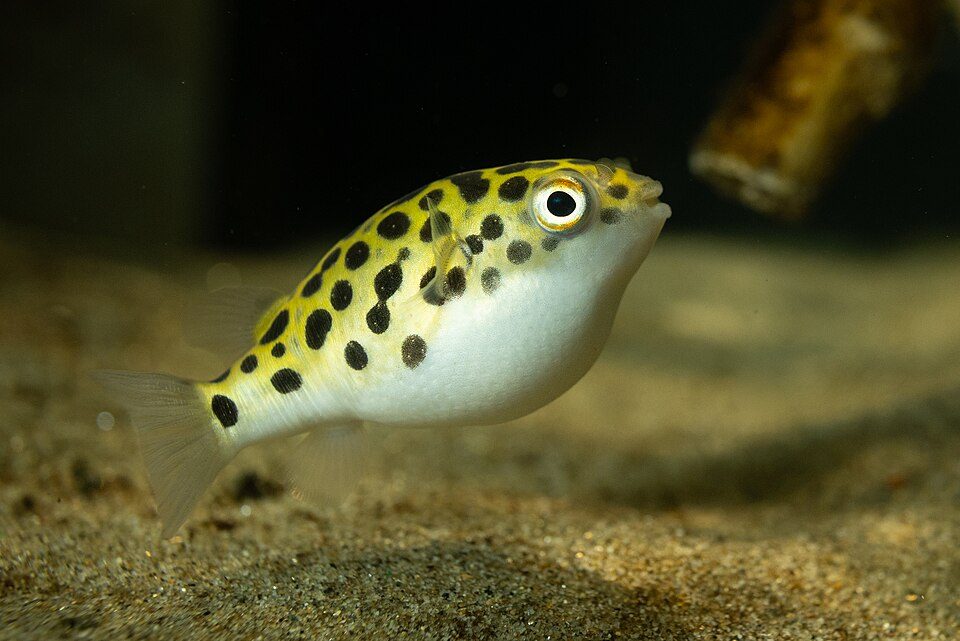
Puffer Fish Care Guide: Figure 8, Pea Puffers, and Green Spotted Puffers
Puffers are intelligent, personable, and endlessly entertaining — but they're not community fish. Everything you need to know about the three most popular puffer species.
Louis Jordaan · 12 min read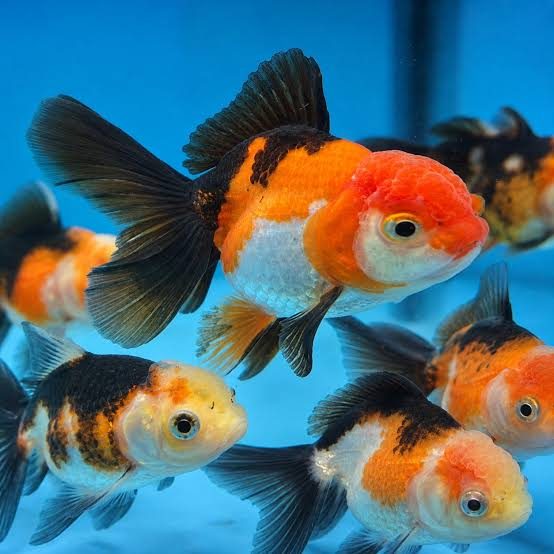
Goldfish Care Guide: How to Keep Goldfish and Orandas Properly
Goldfish are not beginner fish — they're long-lived, heavy-feeding, and need far more space than most people realise. Here's how to keep common goldfish and fancy varieties like Orandas the right way.
Elle Jordaan · 12 min read