
Care Guides · Aquatics
Your First Planted Tank: A Beginner's Complete Setup Guide
Everything you need to know to set up a thriving planted aquarium from scratch — substrate, lighting, plants, and cycling explained simply.

Photo: Neon tetra by Holger Krisp, CC BY 3.0, via Wikimedia Commons

Setting up a planted aquarium for the first time can feel overwhelming. There's a lot of conflicting advice online, a lot of products marketed as essential, and a lot of terminology that assumes you already know what you're doing. This guide cuts through all of that.
Here's what you actually need, in the order you actually need it.
Start With the Right Tank Size
Bigger is more forgiving. A 60-litre tank is a good starting point — large enough to maintain stable water parameters, small enough to be manageable. Nano tanks (under 30 litres) look beautiful but are unforgiving of mistakes. Save those for when you have some experience.
A standard 60×30×36cm tank is ideal for a first planted setup. It gives you enough depth for a proper substrate layer and enough surface area to create an interesting layout.
Substrate: The Foundation of Everything
Plants need to eat. In a planted tank, a nutrient-rich substrate is the most important investment you'll make.
Recommended options:
- ADA Aqua Soil Amazonia — the gold standard. Lowers pH, releases nutrients, and supports almost any plant. Expensive but worth it.
- Tropica Aquarium Soil — excellent alternative, slightly less aggressive nutrient release. More beginner-friendly.
- Fluval Stratum — widely available, good performance, reasonable price.
Avoid plain gravel or sand as your only substrate for a planted tank. They contain no nutrients and plants will struggle long-term without root tabs or heavy fertilisation.
Depth: Aim for 6–8cm of substrate at the back, sloping down to 3–4cm at the front. This creates depth and perspective, and gives plant roots room to establish.
Filtration
A good filter does two things: it moves water (oxygenation and circulation) and it houses beneficial bacteria (biological filtration). For a planted tank, you also want gentle flow — strong currents stress plants and disturb fine substrates.
Canister filters are the best choice for planted tanks. They're quiet, efficient, and keep all the equipment out of the tank. The Oase Biomaster and Eheim Classic ranges are reliable and widely available in South Africa.
For a 60-litre tank, a filter rated for 100–150 litres is appropriate. Planted tanks produce less waste than fish-only tanks, so you don't need to oversize as aggressively.
Lighting
Plants need light to photosynthesise. The wrong light — too weak, too strong, wrong spectrum — is the most common cause of failure in planted tanks.
What to look for:
- Full spectrum LED (5000–7000K colour temperature)
- Sufficient PAR (photosynthetically active radiation) for your tank depth
- A timer or built-in scheduling function
Recommended lights for beginners:
- Chihiros WRGB II — excellent spectrum, controllable, good value
- Fluval Plant 3.0 — reliable, app-controlled, widely available
- Twinstar — premium option, very clean light quality
Photoperiod: Start with 6–7 hours per day. This reduces the risk of algae while your tank is establishing. You can increase to 8 hours once the tank is stable and plants are growing well.
CO₂: Do You Need It?
CO₂ injection accelerates plant growth dramatically and makes it easier to grow demanding species. But it also adds complexity and cost, and it's not strictly necessary for a beginner tank.
Without CO₂ (low-tech): Stick to easy, undemanding plants — Java fern, Anubias, Cryptocoryne, Vallisneria, mosses. These grow slowly but steadily without CO₂ and are very forgiving.
With CO₂ (high-tech): You can grow almost anything — carpeting plants, stem plants, demanding foreground species. Growth is faster and more lush, but you need to manage CO₂ levels carefully to avoid harming fish.
For your first tank, start low-tech. Learn the fundamentals first, then add CO₂ when you're ready to level up.
Plants to Start With
Choose plants rated for beginners. These are species that tolerate a range of conditions, grow without CO₂, and are forgiving of mistakes.
Background plants (tall):
- Vallisneria spiralis — fast-growing, grass-like, very easy
- Hygrophila polysperma — rapid grower, good for absorbing excess nutrients
- Bacopa caroliniana — slower, compact, pleasant scent when trimmed
Midground plants:
- Cryptocoryne wendtii — comes in green, brown, and red; very adaptable
- Staurogyne repens — compact, bushy, works as a foreground/midground plant
Foreground plants:
- Java moss — attach to rocks or wood, grows anywhere
- Anubias nana petite — slow but bulletproof; attach to hardscape, not substrate
Floating plants (optional but useful):
- Salvinia natans — absorbs nutrients, reduces algae, provides surface cover for shy fish
Cycling: The Most Important Step Nobody Talks About Enough
Before you add fish, your tank needs to cycle. Cycling means establishing a colony of beneficial bacteria that convert toxic ammonia (from fish waste and decomposing matter) into nitrite, and then into relatively harmless nitrate.
This process takes 4–6 weeks in a new tank.
How to cycle:
- Set up your tank with substrate, hardscape, filter, and heater. Fill with dechlorinated water.
- Add a source of ammonia — a few drops of pure ammonia, a small piece of fish food left to decompose, or a hardy cycling fish like a zebra danio.
- Test your water every 2–3 days with a liquid test kit (not strips — they're inaccurate). You're testing for ammonia, nitrite, and nitrate.
- Ammonia will spike first, then nitrite, then nitrate will appear. Once ammonia and nitrite both read zero and nitrate is present, your tank is cycled.
Speed it up: Add a bottle of live bacteria (Seachem Stability, Dr Tim's One & Only) and use filter media from an established tank if you can get it. This can reduce cycling time to 1–2 weeks.
Do not add fish until the tank is fully cycled. This is the single most common cause of fish death in new tanks.
Water Parameters
Planted tanks generally prefer soft, slightly acidic water — but most beginner plants and fish are adaptable. Cape Town's municipal water is relatively soft and slightly acidic, which is actually ideal for most planted tank setups.
Target parameters for a general planted tank:
- pH: 6.5–7.5
- Temperature: 24–26°C
- Ammonia: 0 ppm
- Nitrite: 0 ppm
- Nitrate: 10–30 ppm (some nitrate is fine and feeds plants)
Always dechlorinate tap water before adding it to your tank. Seachem Prime is the best dechlorinator available — it also detoxifies ammonia and nitrite in emergencies.
Fertilisation
Even with a nutrient-rich substrate, plants benefit from water column fertilisation once they're established.
Macronutrients (NPK): Nitrogen, phosphorus, and potassium. Available as all-in-one liquid fertilisers like Seachem Flourish Comprehensive or Tropica Specialised Nutrition.
Micronutrients: Iron, manganese, and trace elements. Often included in all-in-one fertilisers.
For a low-tech tank, a weekly dose of an all-in-one fertiliser is usually sufficient. Start with the recommended dose and adjust based on plant response.
Your First Fish
Wait until your tank is fully cycled and plants are established (at least 4–6 weeks after setup) before adding fish.
Good choices for a planted 60-litre:
- Ember tetras — tiny, orange, stunning in a planted tank
- Neon or cardinal tetras — classic for a reason
- Pygmy corydoras — active, social, stay small
- Otocinclus — excellent algae eaters, peaceful
- Nerite snails — the best algae-cleaning snails; can't breed in freshwater
Start with a small group and add fish gradually over several weeks. Don't stock to capacity immediately.
Come In and See Us
We stock a curated range of plants, substrates, lighting, and livestock specifically suited to planted tanks. If you're planning your first setup, come in and talk to us — we'll help you choose the right combination for your budget and goals, and make sure you leave with everything you need to succeed.
A planted tank done right is one of the most rewarding things you can keep. Take your time with the setup, don't rush the cycle, and the results will speak for themselves.
More guides
Keep reading.
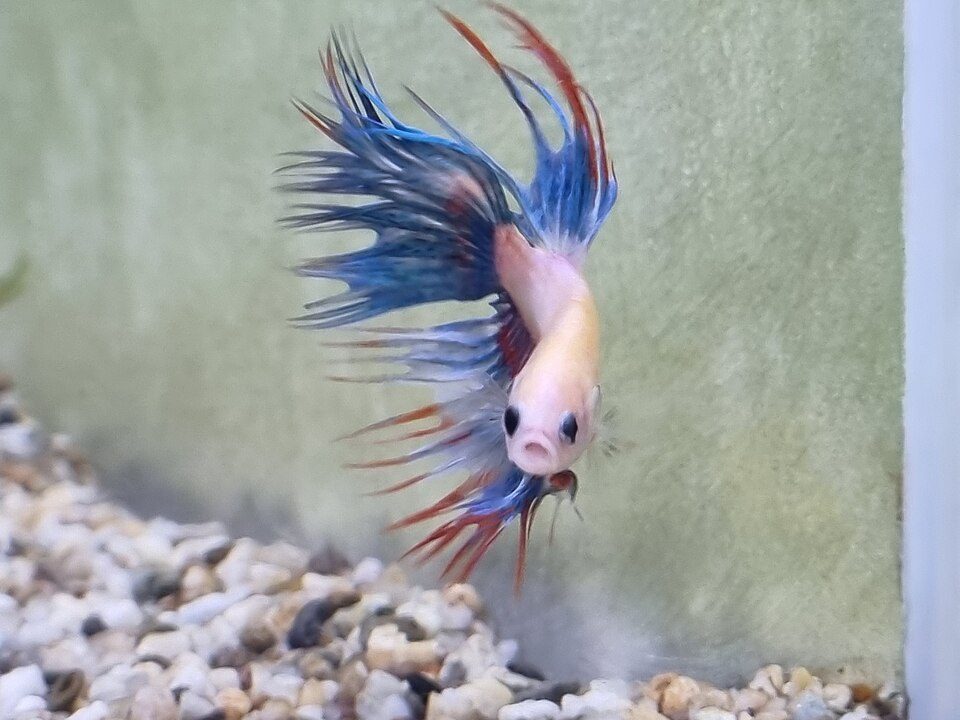
Betta Fish Care Guide: How to Keep a Siamese Fighting Fish Properly
Bettas are beautiful, intelligent, and deeply misunderstood. They don't belong in bowls or vases. Here's how to keep one the right way — and why it matters.
Elle Jordaan · 9 min read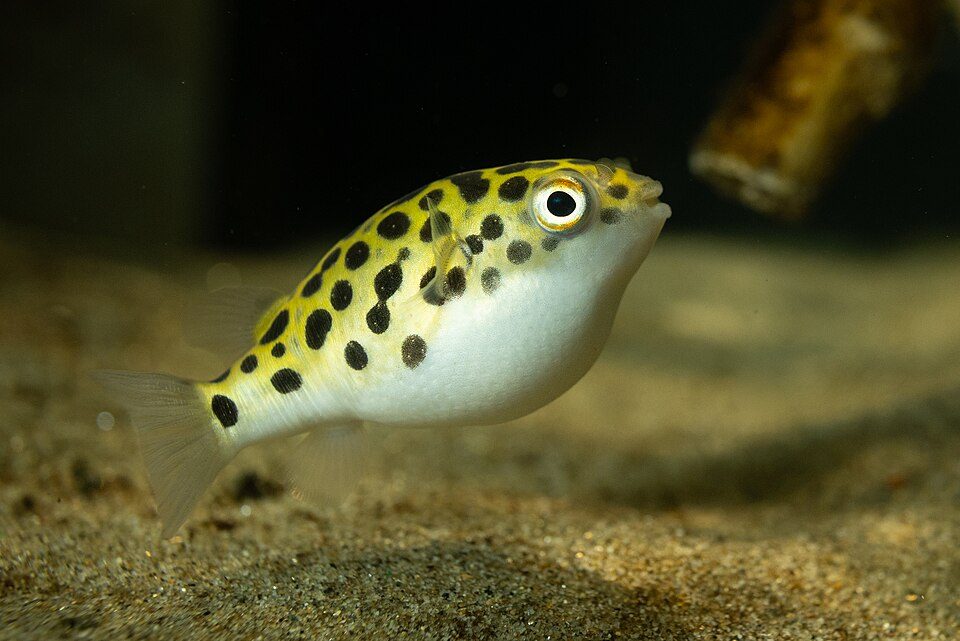
Puffer Fish Care Guide: Figure 8, Pea Puffers, and Green Spotted Puffers
Puffers are intelligent, personable, and endlessly entertaining — but they're not community fish. Everything you need to know about the three most popular puffer species.
Louis Jordaan · 12 min read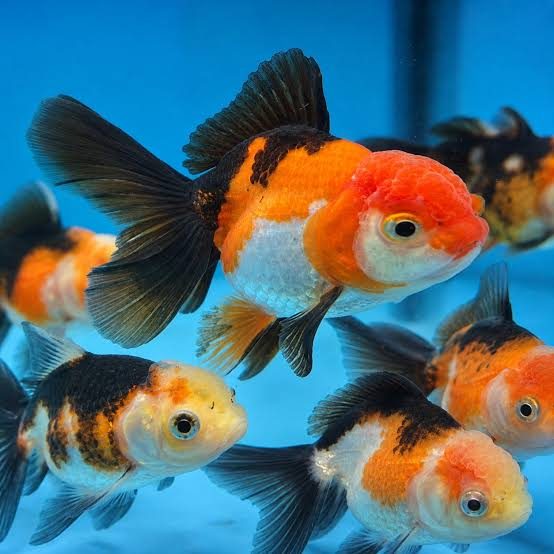
Goldfish Care Guide: How to Keep Goldfish and Orandas Properly
Goldfish are not beginner fish — they're long-lived, heavy-feeding, and need far more space than most people realise. Here's how to keep common goldfish and fancy varieties like Orandas the right way.
Elle Jordaan · 12 min read