
Care Guides · Reptiles
Leopard Gecko Care Guide: Everything a New Owner Needs to Know
Leopard geckos are one of the best reptiles for beginners. Here's how to set up their enclosure, feed them correctly, and keep them healthy long-term.
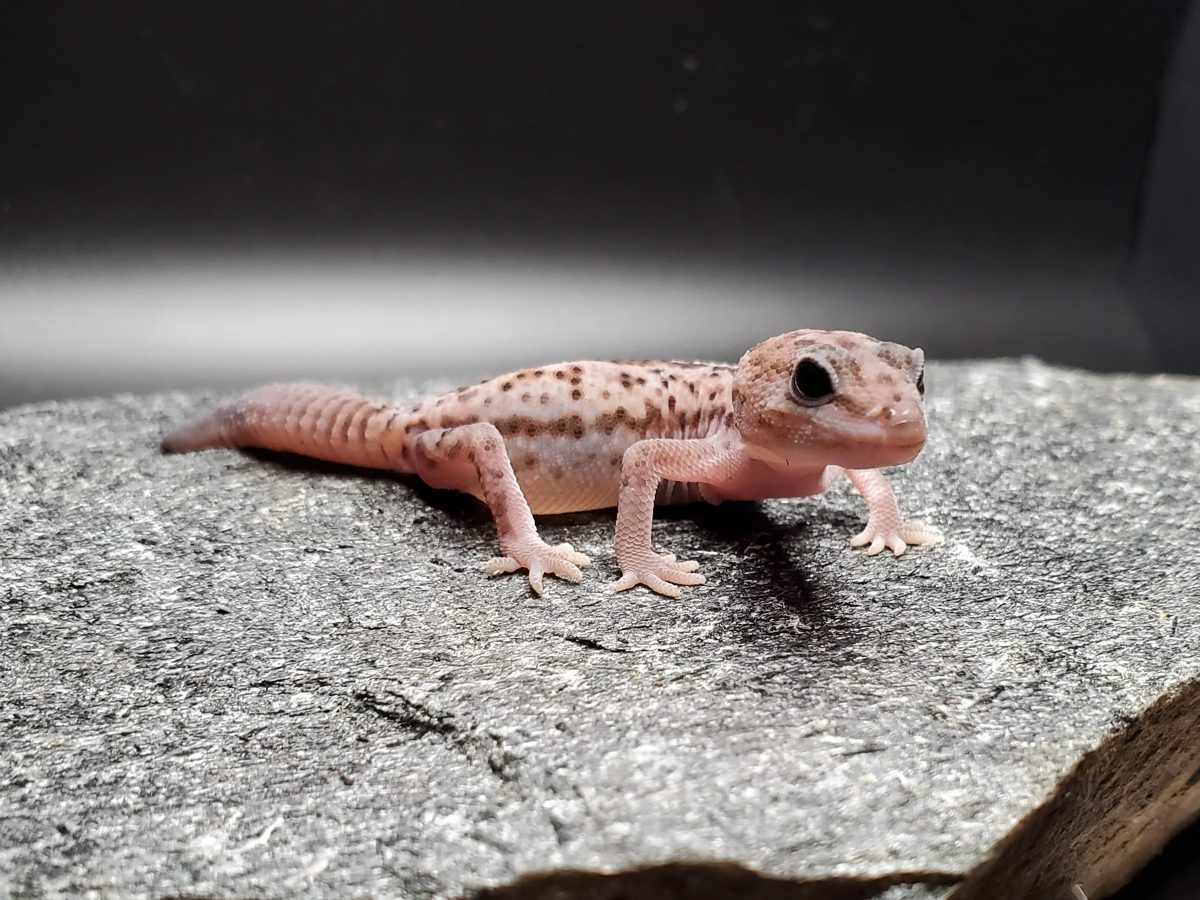
Photo: Leopard gecko, Tails & Scales
Leopard geckos are one of the most popular reptiles in the hobby — and for good reason. They're hardy, handleable, come in an extraordinary range of colour morphs, and are genuinely interesting animals to keep. They're also forgiving of beginner mistakes in a way that many reptiles aren't.
But "beginner-friendly" doesn't mean "low effort." A leopard gecko kept in the right conditions will live 15–20 years. Getting the setup right from the start is the difference between a thriving animal and a struggling one.
Understanding Leopard Geckos
Leopard geckos (Eublepharis macularius) are ground-dwelling, crepuscular lizards native to the rocky, semi-arid regions of Afghanistan, Pakistan, and northwestern India. Unlike most geckos, they have movable eyelids and lack the adhesive toe pads that allow other geckos to climb glass — they're terrestrial animals that live on and under rocks, not on walls.
In the wild, they shelter in rock crevices and burrows during the heat of the day, emerging at dusk and dawn to hunt insects. Your enclosure should replicate this lifestyle: warm, dry, with plenty of hides and a thermal gradient.
Enclosure Size
A single adult leopard gecko needs a minimum of a 60×45×30cm (120-litre) enclosure. Bigger is always better — a 90×45×30cm enclosure gives your gecko more room to thermoregulate and explore, and is worth the investment.
Glass terrariums with front-opening doors are ideal. They retain heat well, allow easy access, and let you observe your gecko without disturbing it from above (which can stress them, as overhead movement mimics predators).
Do not house two males together — they will fight. Two females can sometimes coexist in a large enough enclosure, but watch carefully for competition over hides and food. Male-female pairs will breed.
Heating and Temperature
Getting the thermal gradient right is the most critical aspect of leopard gecko care. These animals are ectotherms — they regulate their body temperature by moving between warmer and cooler areas. Without a proper gradient, they cannot digest food, fight off illness, or behave normally.
Temperature zones:
- Warm side (basking spot): 30–32°C
- Cool side: 22–24°C
- Ambient room temperature: minimum 20°C at night
Heat sources:
- Under-tank heater (UTH) connected to a thermostat: the traditional method. Provides belly heat, which is important for digestion. Must be used with a thermostat — without one, it will overheat and burn your gecko.
- Deep heat projector (DHP): a newer, superior option. Penetrates deeper into tissue, more closely mimics the radiant heat of sun-warmed rock. Use with a pulse-proportional thermostat.
- Ceramic heat emitter (CHE): provides ambient heat without light. Useful for maintaining night temperatures in cooler rooms.
Never use:
- Hot rocks — they heat unevenly and cause burns
- Red or blue "night" bulbs — leopard geckos can see these and they disrupt sleep
- Heat mats without a thermostat — a fire and burn hazard
Always use a digital thermometer with a probe to verify temperatures. Stick-on dial thermometers are inaccurate.
Lighting and UVB
Leopard geckos are crepuscular and were historically kept without UVB lighting. Recent research has changed this understanding significantly.
While leopard geckos don't bask in direct sunlight the way diurnal lizards do, they do receive low levels of UVB in the wild during their crepuscular activity periods. Providing low-level UVB (a 5.0 or T5 HO 6% UVB tube) has been shown to improve calcium metabolism, reduce the risk of metabolic bone disease, and support overall health and behaviour.
A 12-hour light/dark cycle is appropriate. Use a timer.
Substrate
Substrate choice is one of the most debated topics in leopard gecko keeping. Here's the practical breakdown:
Safe options:
- Bioactive mix (topsoil + sand + organic matter): the best long-term option. Supports naturalistic behaviour, maintains humidity in the humid hide, and looks great. Requires a cleanup crew (isopods and springtails).
- Reptile carpet or slate tiles: easy to clean, zero impaction risk. Less naturalistic but practical.
- Paper towel: ideal for juveniles, sick animals, or quarantine setups. Easy to monitor waste and spot health issues.
Avoid:
- Loose calcium sand — marketed as safe but causes impaction, especially in juveniles
- Fine play sand alone — impaction risk, especially if your gecko is fed on the substrate
- Cedar or pine shavings — toxic to reptiles
If you use a loose substrate, feed your gecko in a separate feeding tub or use feeding tongs to reduce accidental substrate ingestion.
Hides
Leopard geckos are secretive animals that spend most of the day hidden. Inadequate hides cause chronic stress, which suppresses the immune system and leads to illness.
Provide a minimum of three hides:
- Warm hide — on the warm side, directly over or near the heat source
- Cool hide — on the cool side
- Humid hide — a hide with moist substrate (sphagnum moss or coco fibre) to facilitate shedding. Place it on the warm side.
Hides should be snug — leopard geckos feel secure when the walls of the hide touch their body. A hide that's too large provides no security.
Feeding
Leopard geckos are insectivores. They eat live insects — they do not eat fruit, vegetables, or prepared foods.
Staple feeders:
- Dubia roaches — the best feeder insect. High protein, low fat, easy to gut-load, long shelf life.
- Crickets — widely available, good nutrition, but noisy and escape-prone.
- Black soldier fly larvae (BSFL/Calci-worms) — excellent calcium-to-phosphorus ratio, good as a supplement.
Occasional treats:
- Mealworms — high fat, fine occasionally but not as a staple
- Waxworms — very high fat, use sparingly as a treat or for underweight geckos
- Superworms — good for adult geckos, too large for juveniles
Feeding frequency:
- Juveniles (under 6 months): daily, as many insects as they'll eat in 15 minutes
- Sub-adults (6–12 months): every other day
- Adults: every 2–3 days, 5–8 appropriately sized insects per feeding
Insect size: No wider than the space between your gecko's eyes. Oversized prey causes regurgitation and can injure your gecko.
Supplementation
This is non-negotiable. Feeder insects alone are nutritionally incomplete. Without proper supplementation, leopard geckos develop metabolic bone disease (MBD) — a painful, debilitating, and often fatal condition.
Calcium without D3: dust every feeding. Calcium is the most important supplement.
Calcium with D3: dust every 2–3 feedings if not providing UVB lighting. D3 is fat-soluble and can accumulate to toxic levels if overdosed — don't use it at every feeding.
Multivitamin: once a week. Repashy Calcium Plus or Arcadia EarthPro-A are excellent all-in-one options.
Gut-loading: feed your insects nutritious food for 24–48 hours before offering them to your gecko. Gut-loaded insects are significantly more nutritious than unfed ones. Good gut-load foods: leafy greens, sweet potato, carrot, commercial gut-load products.
Water
Fresh water should be available at all times in a shallow dish. Leopard geckos don't drink frequently, but they will drink when they need to. Change the water every 1–2 days and clean the dish weekly.
Shedding
Leopard geckos shed their entire skin in one piece, typically every 4–6 weeks for juveniles and every 6–8 weeks for adults. A healthy shed should come off in one complete piece.
Signs of an upcoming shed: skin becomes dull and milky, gecko may become less active and refuse food.
Retained shed (dysecdysis) is the most common shedding problem. It most often affects the toes and tail tip, and if left untreated can cut off circulation and cause loss of digits.
Prevention: ensure your humid hide is always moist and accessible. A humid hide with damp sphagnum moss is the single most effective tool for preventing retained shed.
Treatment for retained shed: soak the affected area in lukewarm water for 10–15 minutes, then gently roll the retained skin off with a damp cotton bud. Never pull forcefully.
Handling
Leopard geckos are generally tolerant of handling, but they need time to settle into a new home before you start. Give a new gecko at least two weeks to acclimatise before handling.
Start with short sessions (5 minutes) and build up gradually. Support the gecko's full body — never grab by the tail. Leopard geckos can drop their tails as a defence mechanism (autotomy); the tail will regrow, but the regenerated tail looks different and the process is stressful for the animal.
Wash your hands before and after handling. Reptiles can carry Salmonella.
Health and Common Issues
Metabolic bone disease (MBD): caused by calcium/D3 deficiency. Signs include soft jaw, tremors, difficulty walking, curved spine. Preventable with proper supplementation.
Cryptosporidiosis (Crypto): a parasitic infection with no cure. Signs include chronic weight loss despite eating (the "stick tail" appearance), regurgitation, and lethargy. Any gecko showing these signs should be isolated and seen by a vet immediately.
Impaction: caused by ingesting substrate. Signs include loss of appetite, bloating, straining to defecate. Preventable with appropriate substrate choices.
Respiratory infection: caused by temperatures that are too cold or too damp. Signs include wheezing, mucus around the mouth and nostrils, open-mouth breathing. Requires veterinary treatment.
Find a reptile-experienced vet before you need one. Not all vets are comfortable treating reptiles.
Come and See Us
We stock captive-bred leopard geckos in a range of morphs, as well as all the equipment, feeders, and supplements you need to keep them properly. If you're setting up for the first time, come in and we'll walk you through everything — we'd rather spend an hour with you now than see you come back with a sick animal.
Leopard geckos are genuinely rewarding animals. Get the setup right and you'll have a healthy, handleable gecko for the next two decades.
More guides
Keep reading.
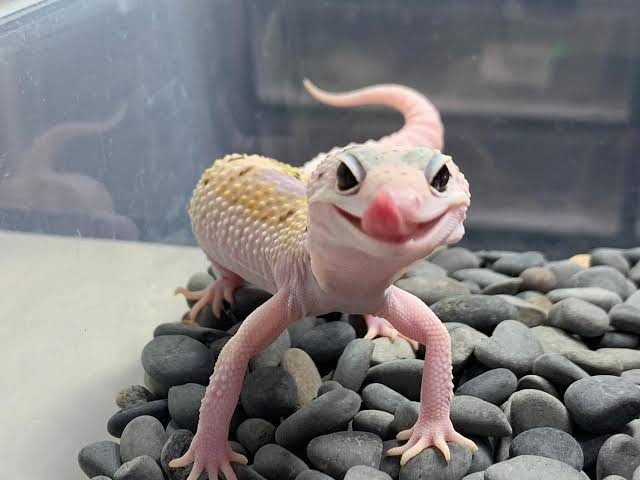
African Fat-Tailed Gecko Care Guide: The Underrated Cousin of the Leopard Gecko
Fat-tailed geckos are calmer, more secretive, and need higher humidity than leopard geckos. Here's everything you need to keep one thriving.
Elle Jordaan · 8 min read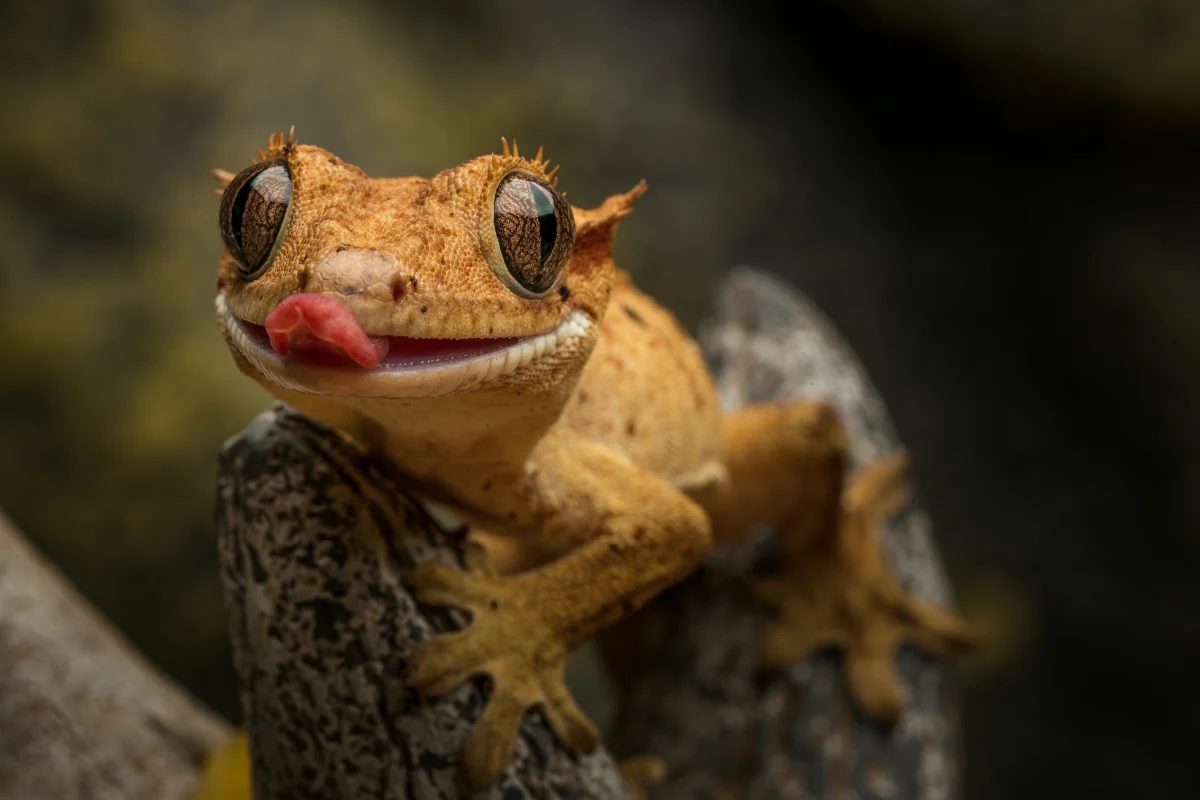
Crested Gecko Care Guide: The Complete Guide to Keeping Correlophus ciliatus
Crested geckos are arboreal, room-temperature friendly, and can thrive on a prepared diet. Here's how to keep one properly — from enclosure to feeding to handling.
Elle Jordaan · 9 min read
Your First Planted Tank: A Beginner's Complete Setup Guide
Everything you need to know to set up a thriving planted aquarium from scratch — substrate, lighting, plants, and cycling explained simply.
Elle Jordaan · 8 min read